
Master the Art of Fullers Guitars with Parallel Compression
Are your guitar tracks sounding thin or struggling to cut through the mix? If so, it's time to introduce a powerful yet simple mixing technique into your workflow: parallel compression. This method can transform your guitar sound, making it fuller, thicker, and smoother, while maintaining its clarity. Let’s dive into how you can use parallel compression to take your tracks to the next level!
What is Parallel Compression? 🤔
Parallel compression, sometimes called "New York compression," involves blending two versions of the same track: one that is relatively unprocessed and another that is heavily compressed. This technique helps to retain the natural dynamics of the instrument while adding smoothness, fullness, and tonal richness. In the case of guitar tracks, parallel compression works wonders by creating a wider and more dynamic sound that effortlessly cuts through the mix.
Step-by-Step Guide to Parallel Compression for Guitars 🎛
Here’s a simple way to set up parallel compression for your guitar tracks:
Step 1: Start with two guitar tracks—one panned hard left and the other hard right. Route both tracks to a bus.
Step 2: On the first channel of the bus, apply subtle EQ adjustments. For example, boost the midrange slightly around 1 kHz to help the guitars cut through the mix.
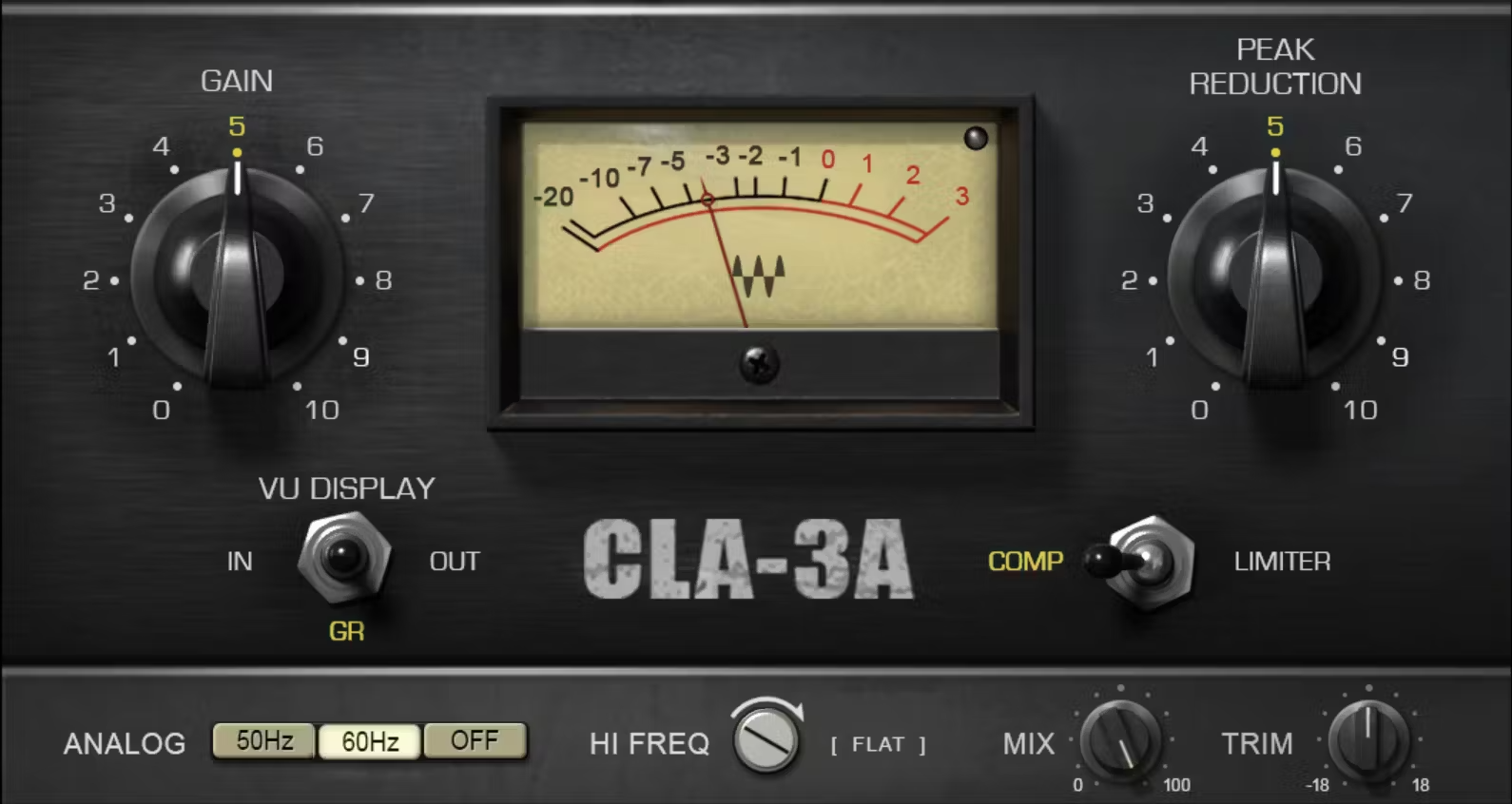
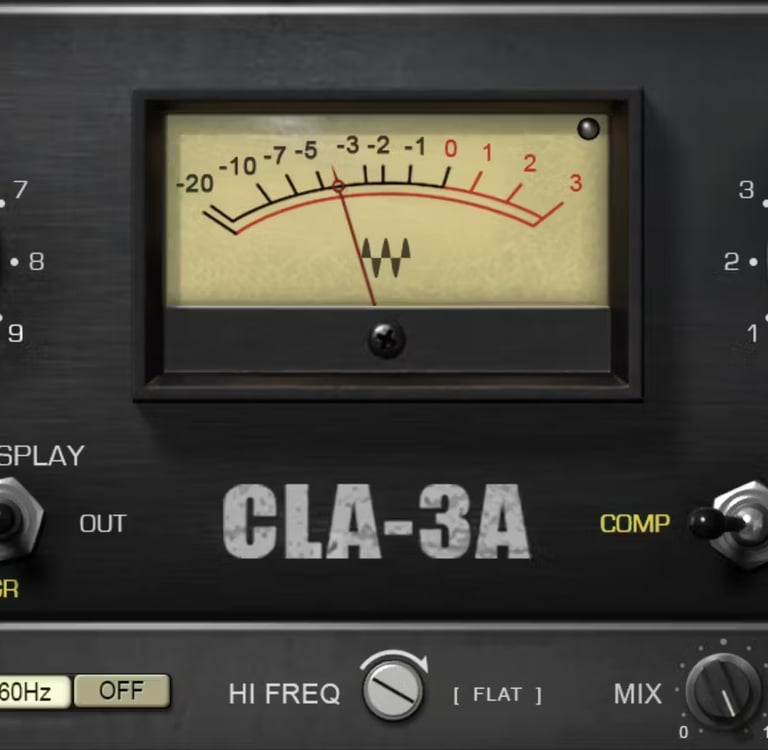
Step 3: On the second channel of the bus, insert a compressor. Adjust the compressor to add a touch of smoothness and tonal color without heavily compressing the signal. In some cases, the compressor may not even visibly move the meter, but its tonal character will shine through.
Step 4: Blend the two channels by adjusting their respective fader levels. The key is to find a mix that feels balanced and enhances the overall guitar sound.
Watch video here: Guitar Parallel Bussing
As you experiment, try turning the compressor on and off and listen carefully. You’ll notice how it adds depth, warmth, and a polished tone to your guitars, making them sound richer and more cohesive in the mix.
Why This Technique Works 💡
Parallel compression works because it allows you to retain the original dynamics of the unprocessed track while layering it with a compressed signal that adds color and fullness. This dual approach ensures that the guitar tone remains natural yet punchy.
In the video demonstration, the speaker highlights how even without heavy compression, the tonal "color" of the compressor adds a subtle but impactful change. It’s this gentle enhancement that makes the guitars sound more alive and engaging.
More Applications of Parallel Compression 🌟
Parallel compression isn’t just for guitars—it’s a versatile tool you can apply to other instruments as well:
Drums: Add punch and sustain to your drum tracks while keeping the transient details intact.
Bass: Achieve a thicker low end that still retains articulation and clarity.
Vocals: Enhance the presence and warmth of vocal tracks without losing their dynamic range.
The beauty of this technique lies in its flexibility. By experimenting with different settings and blends, you can tailor the sound to fit your specific mix and creative vision.
Try It Yourself and Share Your Results! 🎶
Ready to give parallel compression a try? Set up your guitar tracks with this method and experiment with different compressor settings and EQ tweaks. Whether you're working on a rock anthem or a delicate acoustic piece, this technique can elevate your mix and add professional polish to your recordings.
Have you used parallel compression before? What results have you achieved? Share your experiences in the comments, and let’s learn from each other! If there’s a specific mixing topic you’d like to explore next, let us know, and we’ll create more tutorials to help you grow as a music producer.
Thanks for reading, and happy mixing! 🎸